Every autumn we get the same question: should we wait until spring? The answer depends entirely on what you are building, and the honest version surprises a lot of people. For a great many projects, winter is the better time to start — not the worse one.
Here is what a Treasure Valley winter genuinely affects and what it does not.
What barely notices the weather
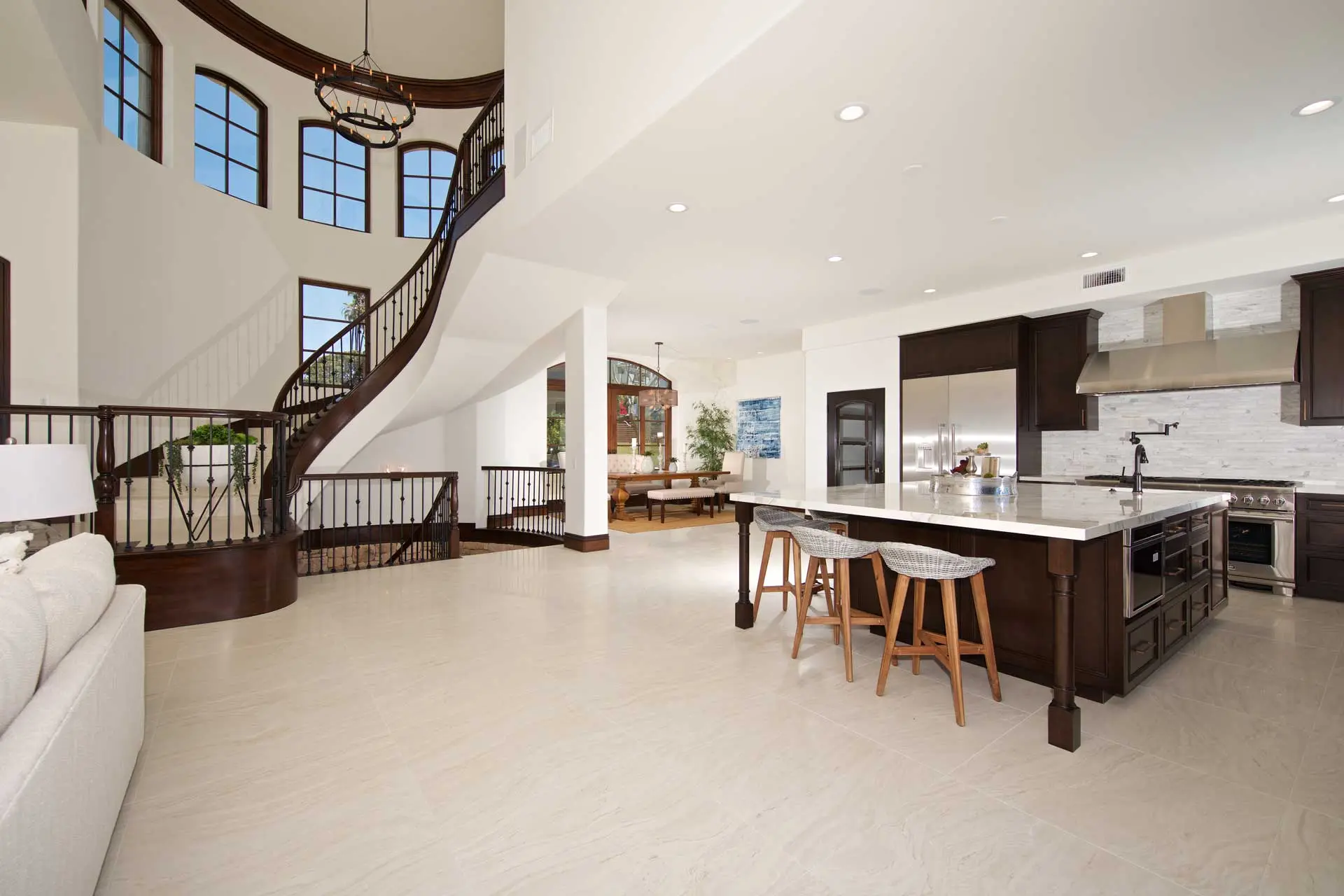
Interior remodeling. A kitchen, a bathroom, a basement finish, an interior renovation — none of it cares what is happening outside once the building is closed in. The house is heated, the crew is inside, and the work proceeds exactly as it would in July.
Design and permitting. Ideal winter work. Getting drawings finished, engineering completed, and a permit through plan review during January and February means being ready to break ground the moment the site allows in spring. This is genuinely the most valuable thing you can do with a Treasure Valley winter.
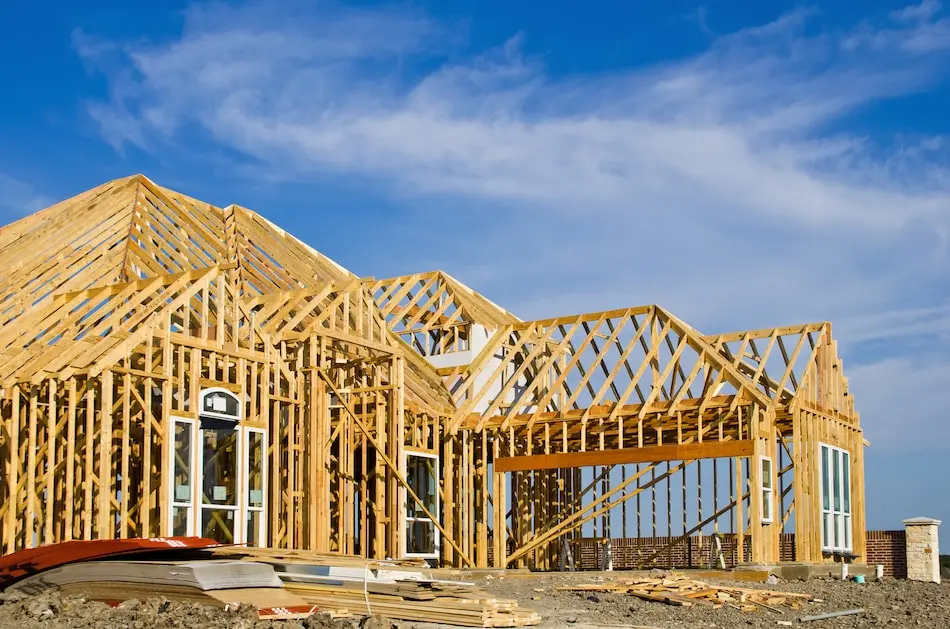
Anything inside a dried-in building. Once a new build is closed in with a roof, walls, and windows, temporary heat goes in and the interior trades continue through the winter as normal. Getting to dry-in before hard weather is the whole objective on a winter build.
Ordering. Cabinets, windows, doors, and appliances all carry lead times that run whatever the weather is doing. Winter is a good time to have those clocks running.
What genuinely needs managing
Concrete. This is the big one, and it is a matter of managing rather than avoiding. Concrete needs to reach a reasonable strength before it freezes, or the pour is compromised in ways that will not be visible until later.
The measures are well established: thaw the ground before excavation if it is frozen, keep subgrade from freezing before the pour, use insulated forms and blankets, adjust the mix with accelerating admixtures, place at the right time of day, and monitor temperature while it cures. In extreme conditions, hoarding and heating the space.
It costs more than a July pour and it takes longer. It is also completely routine in Idaho — foundations go in through the winter here every year. What it is not is something to do casually or cheaply.
Excavation and site work. Frozen ground is slow and expensive to move, and saturated ground during a thaw is worse. Winter site work is very doable; it just needs to be scheduled around conditions rather than against them.
Roofing. Most asphalt shingles need a minimum temperature to seal properly, and shingles that do not seal are vulnerable to wind uplift. Cold-weather roofing is done with hand sealing and careful timing, or scheduled around a warm spell.
Exterior finishes. Stucco, masonry, exterior paint, and most adhesives and sealants have temperature limits. These get scheduled for the shoulder seasons or deferred to spring where the schedule permits.
Framing in wind and ice. Not impossible, but genuinely slower and a real safety consideration. Sheathing and roof work in high wind is where crews get hurt, and no schedule is worth that.
The elevation question
Everything above describes the Treasure Valley floor — Boise, Meridian, Nampa, Caldwell, Eagle, Star, Kuna. Winter here is real but manageable, and the ground does not stay frozen for months at a time.
Building at elevation is a different proposition. In Idaho City, Horseshoe Bend, and the mountain parcels above the valley:
- Snow load is substantially higher and drives roof framing and truss design from the outset
- Access can be genuinely seasonal — a road that is fine in September may not take a concrete truck in February
- The build window is shorter, and the objective of getting dried in before winter becomes the governing constraint on the whole schedule
- Material delivery takes longer and costs more
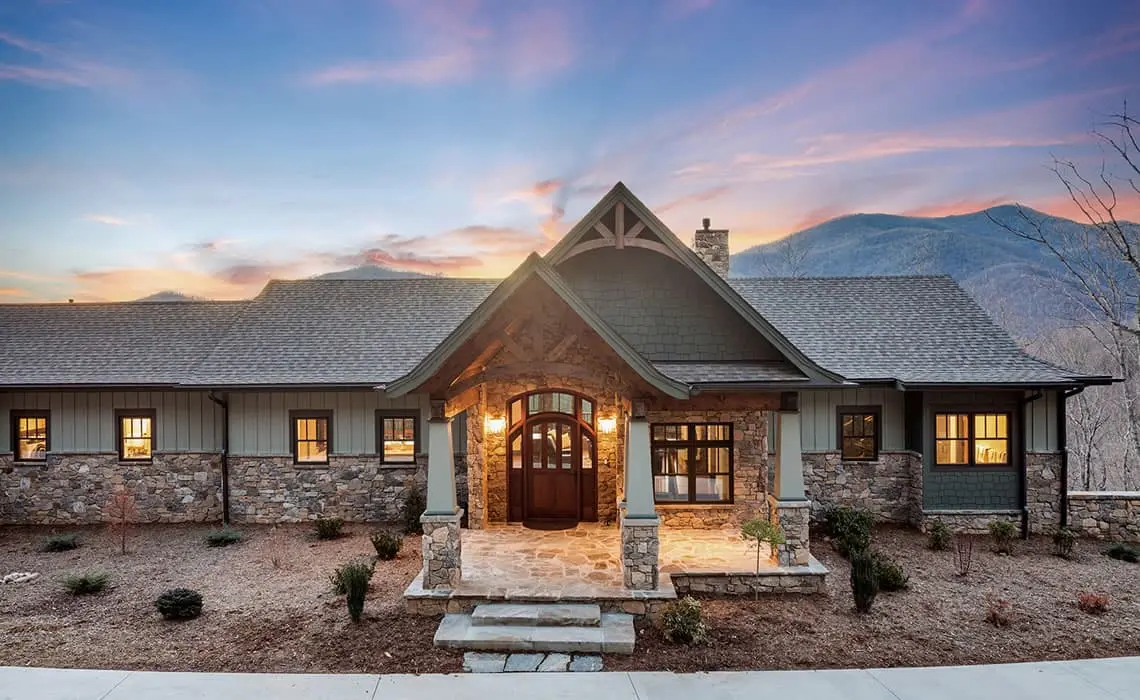
A mountain build gets planned around the calendar in a way a valley build does not. That is not a reason to avoid it; it is a reason to start the design and permitting early enough that you can break ground the week the site opens up.
The details that matter more in this climate
Idaho asks about a hundred degrees of annual temperature swing from a building. That has consequences worth designing for rather than discovering:
Footings below frost depth. Non-negotiable. Frost heave will move a shallow footing and crack whatever is on top of it.
Ice-and-water membrane at eaves and valleys. Ice dams form when heat escapes into the attic, melts the snow on the roof, and the meltwater refreezes at the cold eave. The membrane is the backup. The actual fix is the next two items.
Air sealing at the ceiling plane, and adequate attic insulation. Heat that does not reach the attic cannot melt the snow. Most ice dam problems are insulation and air sealing problems wearing a roofing costume.
Proper attic ventilation. Soffit-to-ridge airflow keeps the roof deck cold and even. Blocked soffit vents — extremely common where insulation was blown in without baffles — are a leading cause of ice damming in older Boise houses.
A continuous air barrier and insulation without thermal bridges. This is what actually determines whether the house is comfortable and cheap to heat.
Radon-resistant construction. Much of the Treasure Valley sits in an elevated radon zone. Sub-slab depressurisation rough-in during construction costs very little; retrofitting it later costs considerably more. It is worth doing on any new build here.
Freeze protection for plumbing. No supply lines in exterior walls where it can be avoided, frost-free hose bibs, and insulation and heat where lines run through unconditioned space.
The scheduling argument for winter
Here is the practical case, stated plainly.
Contractors in the Treasure Valley are busiest from roughly April through October. Lead times stretch, good subcontractors are committed months out, and your project competes with everyone else’s.
In January and February that pressure is off. Schedules are more available, subcontractors are more responsive, and a project that would take four months to even start in June can often begin in weeks.
For an interior remodel — a kitchen, a bathroom, a basement, a whole-house renovation — the weather is simply not a factor. You get the same work on a better schedule with more attention.
If you are planning a new build for next year, the winter should be spent on design, engineering, and permitting, so that the moment the ground allows you are pouring rather than drawing.
The short version
Winter stops far less construction in Idaho than people assume. Concrete, excavation, roofing, and exterior finishes need managing. Everything else proceeds, and interior work proceeds at a better pace than it would in summer.
The projects that suffer in winter are the ones that were planned for summer and then ran late. The projects that do well are the ones that were planned for winter deliberately.
We build and remodel year-round across Boise, Meridian, Nampa, Caldwell, Eagle, Star, Kuna, Garden City, and out to Emmett, Mountain Home, Horseshoe Bend, and Idaho City.